
2022-12-27 07:05:13 来源: 棠棣说史
我是棠棣,一枚历史爱好者。欢迎大家【关注】我,一起谈古论今,纵论天下大势。君子一世,为学、交友而已!
早在1854年7月,一心想保持法租界独立地位的法国人,对上海英、法、美三国租界修改《土地章程》、统一行政权力一事就颇为勉强。
但鉴于当时驻沪法军力量单薄,无法在中国政局动荡之际为其侨民作后盾,他们不得不在“原则上”接受由英国领事阿礼国提出的上述建议,以等待法国政府的正式批准。
然而,这个法国人自认为“不可补偿的牺牲”,并没有得到应有的回报。就在工部局宣告成立之时,英、法之间的矛盾已经暴露无遗。
1、英法列强矛盾的激化
1854年7月7日,法舰舰长鲍德安(Baudean)应英国远东舰队司令赐德龄(James Stirling)将军的邀请,偕同英舰舰长奥加拉汉(Ocallaghan)、美舰舰长卜扑(Pope)入城与小刀会交涉,要刘丽川和陈阿林发布通告,禁止其部下持械穿越租界。
同时约定,通告发布前应经外侨当局审阅。
然而,当一份经多次修改并最终为赐德龄将军所接受的通告底稿送至法方时,法国人震惊地发现,通告禁止持械经过的地区居然仅限于洋泾浜以北租界,而把位于洋泾浜南岸的法租界完全排斥在外。
法国驻沪领事爱棠当即代表鲍德安及其本人向赐德龄提出抗议。
然而,赐德龄表示,这份通告虽然不够完美,但他倾向于同意,“因为它比较接近大家的要求,而且要一个更完备的,也是有困难的”。
以后,虽然由于爱棠的坚决要求,赐德龄向小刀会领袖提出了修改通告的交涉,但因遭到对方的拒绝,通告最后还是照原样发布了。
这件事使刚刚宣布联合的三国租界一开始就蒙上了分离的阴影。
7月18日,工部局为编制征收地产税所需的地籍册,致函各国驻沪领事,要求转告租界内各租地人于7月26日前将地价报告工部局。
同年10月,阿礼国试图运用《土地章程》为其侨民的土地议租权作辩护。
为了切断城内小刀会的粮食、军火供给,当时法国人应中国官方的要求率先在界内筑起了围墙。
但英国驻沪海军对此事却始终持保留的态度。
12月13日,正当驻沪法军与小刀会激战之际,法国驻上海领事爱棠“痛心地”发现,在英方管辖的洋泾浜北岸,已被小刀会推倒的围墙始终没有被重建的意思,相反,在原经法方同意拆毁的泰勒氏桥(即郑家木桥,约当今延安路、福建路口)处,却架起了一座小桥,成为与城里往来的通道,而守卫在那里的英军竟对此“熟视无睹”。
怒不可遏的爱棠当即致函英国驻上海领事阿礼国表示抗议:
决不容许“这种有失体面的事情,让法国公开宣布的敌人在英国国旗和岗哨的面前,并得到他们的保护来进行军需的补给”。
当月月底,他在一封给法国驻华公使布尔布隆的信中写道:
“英国(海军)当局竟然选择这样的时候和我们分道扬镳,一方面是在同盟条约(指当时英、法联合进攻俄国克里米亚一事)签订之后,另一方面正是面临危难的时候,这证明我们有充分的理由退出市政联合组织,我们在这个组织里未见其利而只蒙其害。
当我考虑到在这个以投票多寡决定一切的上海商业集团中,盎格鲁撒克逊分子在利益和数量上所占的优势;特别是当我想到正在滋长的尔虞我诈的心理,想到愈益增长的宗教对立,想到作为他们喉舌的英国报纸的态度,想到两位领事无法迫使该报对我们保持一个可以接受的中立态度,我就不禁意识到今后需要有所防备,而最好的防备,毫无异议,是法租界的独立和分离。”
2、公董局的设立
其实,早在此前,为了维护法国的在华利益,法国驻华公使布尔布隆已向他的英、美同僚提出了修改《土地章程》的要求,但无结果。
为此,12月24日,他向外交部长德鲁安表示:
“由于所期望的利益未能得到”,请不要批准“这个如此不平等,如此有损我国利益的契约”。
在他的授意下,爱棠对这个形式上由三国公使签署的章程丝毫不予理会。
1855年3月,工部局邀请英、法、美三国领事开会,讨论工部局的地位及其所属捕房是否取消的问题。
为了维持法租界的秩序,1856年6月,爱棠开始在界内设置巡捕房。
为了解决法租界的市政经费,1857年3月11日,爱棠在领事馆召集界内租地人会议,决定成立道路管理委员会,由全体租地人按其产业价值纳税支付一切道路费用。
到50年代末,由于英国人对洋泾浜南岸发生的这一切始终保持沉默,在法国人的眼里,法租界的独立似乎已为它的邻居所承认。
然而,就当法国人这样认为的时候,60年代初,工部局和英、美驻沪领事的公函接踵而至,一再催促爱棠在法租界实施《土地章程》,甚至勒令他在该章程上签字。
为了尽快达到他们的目的,1861年4月,工部局还直接致函法国驻华公使布尔布隆,请求协助。
原来,1854年修订的《土地章程》和根据该章程成立的工部局始终未被西方各国政府批准。1860年以后,为了抵御太平军的进攻,洋泾浜北岸正在酝酿一项有关租界行政制度的重大改革,以争取其母国政府的承认和保护。而法租界的单独存在无疑会妨碍这项计划的顺利实现。
但是,自认为在租界行政权力的统一过程中“未见其利而只蒙其害”的法国人,已不想再为他们的邻居作出“牺牲”了。
鉴于第二次鸦片战争以后不断有法国军队驻守上海,法国人决定“收回”当初被迫“自动放弃”的权利。
1862年3月31日,作为洋泾浜北岸行政制度改革的一个重要内容,英租界租地人会议正式通过决议:合并英、美租界。
当英国驻上海领事麦华陀把这一决定通知法国驻上海领事爱棠时,爱棠已接到公使馆的指示,同意他提出的在法租界组建市政机构的计划。
爱棠不耽误时间,立即于4月29日在界内贴出了一份领事馆布告:
本领事谨通知本租界居民,兹根据和中国先后签订之两条约规定的管辖租界之权利,为谋求法租界内之秩序、安全和公共福利,特设立公董局董事会,由董事5人组成,受全权委托,处理并掌管租界内之一切事务。
3、英美两国列强对法国的抗议
5月5日,由爱棠主持的界内租地人会议在法国领事馆举行。
会上,5名新任命的董事分别与大家见面,得到大家的一致承认。5月9日,公董局董事会召开第一次工作会议,讨论界内行政管理事宜。捐税的征收和巡捕房的整顿成了董事们首先关心的问题。
然而,5月13日,当爱棠将成立公董局一事正式函告英国驻上海领事麦华陀时,遭到了对方的抗议:
我完全同意您的意见,这样一个机构不仅能够在您管辖的范围内办很多事情,而且也能为上海县城和其他租界办事。但说到这个措施是否恰当,恕我不能同意您的意见了,因为它完全违背了条约国同意的上海“地皮章程”,该项章程自签订后从来未有过修改或取消。
1866年3月,洋泾浜北岸召开租地人会议,讨论新修订的《土地章程》草案。鉴于洋泾浜南岸领事与公董局之间因缺乏一个明确的租界组织章程而刚爆发过一场权利之争,主持会议的美国领事熙华德,首先对公董局存在的必要性提出了挑战,表示:他希望看到两个租界的合并,看到两个分立的市政机构“合为一个统一体”。
接着,租地人和《字林西报》对因不愿在法租界实施《土地章程》而拒绝参加会议的法国领事白来尼发起了猛烈攻击。
与此同时,英国驻沪领事温思达则通过英国驻法大使考利直接向法国外交部提出交涉,认为法国领事对居住在法租界的外国侨民实行的实际上是一种保护国制度,这是“令人不安的”,“不适当的”,要求两国政府取得一致意见,使法租界与洋泾浜北岸的租界合并。
但是,法国政府坚定地拒绝了所有取消公董局、合并法租界的建议。
为了防止法租界内部再度发生权力之争,一个由法国外交部组织的特别委员会起草制订了《上海法租界公董局组织章程》,并于7月11日由白来尼在上海公布。该章程共18条,分别对公董局的组织办法、选举与被选举人的资格、公董局的职权、领事与公董局的关系等作了具体的规定。
9月29日,一个按该章程产生的公董局董事会正式宣布就任。
《公董局组织章程》的颁布招来了英、美等国领事的抗议。
普鲁士驻沪领事甚至把抗议书在报上公开发表。虽然这些抗议并不能阻止公董局行政事务的进行,但白来尼认为,为了避免由此引起的种种麻烦,与各国领事取得协调一致还是必须的。
1868年4月14日,在公董局换届选举即将来临之际,经与有代表驻京的各国领事就修改各国最为反对的该章程第16条的意见进行协议之后,白来尼公布了重新修订的《上海法租界公董局组织章程》,并于次年得到驻京列强的正式认可。
新章程第16条删除了原章程关于:
“任何外国法庭或审判官,如未得法国总领事之核准,及其所辖巡捕房之协助,不得出票在法租界内拘捕各该管之外国人”的规定,改为“凡由别国司法官厅所发的逮捕状、判决书、扣押令等应在法租界内执行者,除有紧急情况之外,概应预先咨知法国总领事或巡捕房总巡。该总巡应派出所属巡捕1名或多名,会同持有逮捕状或判决书的人前往执行;遇有必要时,当以实力援助”。
以后,虽然洋泾浜北岸又曾一度提出合并租界的要求,但法租界的分离毕竟已为各国协议所确认而不可改变了。
4、英美租界的合并的缘起
1848年由美国圣公会主教文惠廉与上海道台口头商定的美租界地处虹口,但并无明确的界址。
由于它远距县城,且有苏州河的阻隔,不如英、法租界地理位置优越,西人居户一直较少。至太平天国战争爆发时,人们所能看到的西人建筑,主要是圣公会的房产、上海船坞、几个码头和几家供水手娱乐的酒食处所。
名义上是三国租界行政机构的工部局,似乎始终未把这里的事务放上议事日程。在西人看来,虹口是“租界中的辛黛莱拉(即灰姑娘,外国童话中受继母虐待的美丽姑娘)”。
1860年以后,为了抵御太平军的进攻,西方各国加强了对上海租界的防务。但当时的防务主要集中在苏州河以南的英、法租界,虹口美租界内没有固定的驻军。因此,1862年初,当太平军第二次进军上海的消息传来时,居住在这里的传教士和商人决定自己组织防卫。
1月16日,美租界的全体侨民在文惠廉家举行会议。成立“虹口防务委员会”,负责界内防卫事宜。
然而,虹口防务委员会很快发现,光靠这样一支力量显然是不够的。要在整个虹口租界设防,至少得有200名正规军。
为此,他们向英国驻华海军司令何伯发出了派兵的请求。但令他们失望的是,尽管何伯对他们的请求“非常同情”,并亲临视察,答应先从一艘俄国船上调派几名哨兵驻守虹口通江湾的道路,但部队的影子迟迟未能见到。
于是,1月25日,虹口防务委员会在向全体侨民会议作出工作报告之后,提出了他们的辞呈。
他们要求会议授权虹口防务委员会致函上海租界防务委员会和英国驻华海军司令何伯,请其在承担原有的防卫任务外,担负起租界这一边的防务。
主持会议的金能亨对防务委员会的意见表示赞同。
会议一致通过防务委员会提出的建议,决定向上海租界防务委员会和英国海军当局陈述他们的请求。倘若上海租界防务委员会接受他们的请求,他们将把已征得的经费移交该委员会支配,并用于虹口租界的防务。
同时,会议根据防务委员会的建议,决定将该委员会雇用的5名巡捕交工部局巡捕房管辖,并请该局指定他们到美租界任职,其费用由虹口外国侨民供给。原有的巡逻队改组后继续执行巡逻任务,并将由一个新的委员会专门负责。会议同时接受了防务委员会的辞呈。
上海租界防务委员会同意虹口侨民提出的请求,决定承担起这一地区的防卫责任。
5、英美租界正式宣布合并
1862年3月31日,上海英租界租地人年会在英国领事馆举行。
会议正式通过议案,同意将虹口的美国侨民居留区并入英租界。为了实施这一决议,租界当局积极谋求划定美租界的具体界址。
1863年6月25日,经反复磋商,美国领事熙华德和上海道台黄芳订立章程,规定美租界的界址如下:
西面从护界河(即泥城浜)对岸之点(约当今西藏路桥北堍起),向东沿苏州河及黄浦江到杨树浦,沿杨树浦向北3里为止,从此向西划一直线,回到护界河对岸的起点。
同年9月21日,两租界正式宣布合并,一般称为洋泾浜北首外国租界,以区别于洋泾浜南岸的法租界,也习称公共租界。
英、美租界的合并既是出于抵御太平军进攻的需要,同时也是在上海的西方商业寡头们妄图建立“独立共和国”的重要步骤。
6、英美列强的“自由市计划”
1854年,面对急剧动荡的江南政局,上海英、美、法三国租界修改《土地章程》,成立工部局,从而在“自卫”的旗帜下,给应邀前来武装登陆保护其侨民的外国军队披上了所谓“合法”的外衣。然而,上海西人的这种举动,并没有得到其母国政府的承认。
1855年5月,出于对侵华全局利益的考虑,英国政府明确批示驻华公使包令,同意其给英领阿礼国的训令,着即通知中国当局,英国并不支持工部局这种“自动组织”。
可是,这个来自大不列颠的批示似乎并没有对黄浦江畔的商业寡头们产生实际效力。在他们看来,“当地实际情形的需要,实较强于远在另一半球的坦白胸襟”。
在他们的支持下,工部局非但没有解散,相反在违反条约的情况下日益发展起来。然而,母国政府的态度毕竟使这个“自治政府”的权威受到了损害。不少西人拒绝服从工部局的政令,认为它的发布者是“一个没有明确的合法根据的团体”。
不少西人不愿缴纳未经他们个人赞同的捐税,因为在他们的眼里,“构成租界特许状的地皮章程的颁布并不是由他们应当服从的一个权力机关所做的”。
于是,到60年代初,随着太平军的东征和租界防卫任务的日益加重,为工部局寻找一个“合法”的定位,成了阿礼国的继任者们频感头痛的事情。
1861年6月26日,英国驻沪领事麦华陀致函英国新任驻华公使卜鲁斯,提出了他的改革方案:
工部局设一局长,由侨民选举产生,但局长及其下属职员的薪俸由中国政府拨给,以免受选民制约。会议时,局长任主席,如出现赞成票与反对票票数相等的情况,他有权加投决定性的一票。局长掌管财政、地产、警察和港务,并有权征收捐税,以应路灯、疏沟、道路等需用。
麦华陀的这个方案,无疑是受到当时中国海关聘用外国人担任税务司的启发,想以此为他的前任留下的“杰作”披上一件“合法”的外衣。
然而,正当这个方案酝酿时,形势的变化已使上海的商业寡头们提出了一个远非麦华陀所能想象的狂妄计划。
1862年上半年,太平军对上海发动了第二次进攻。当时的清政府几乎已丧失了对上海的防卫能力。幸亏有英法联军的干涉和华尔洋枪队的参战,才最终迫使太平军退至距上海周围30英里以外的地区。
上海的商业寡头们顿时狂妄不可一世,称:
“中国人具有普通人的肌肉和体魄,但是他们除能辨别银洋的叮当之声外,仅仅具备儿童的智能罢了。我们只能把他们当作儿童看待,因而必须保护受大法院监护的未成年人,经办他们的事务,管理他们的资财。这是强加在我们身上的一种严肃而神圣的信托。”
他们甚至公然叫嚣:
“这一带地方,既然拥有如此丰富的物质要素,其人民又能辛勤劳动,如果将其置于一种统治之下,既有能力保护和平的居民,又有能力惩罚强悍的分子,它将变成一种何等壮丽的地方?”
1862年6月20日,由上海西人头面人物金能亨等人组成的上海租界防务委员会正式向工部局提出了改上海为自由市的要求,即将上海县城及其郊外附近地带置于与中国有密切关系的英、美、法、俄四国保护之下,由中外产业所有人选举组织一强有力的政府,产生安全有序的效果,成为中国第一城市。
自由市计划的提出,立即成为上海西人在《北华捷报》上议论的中心话题。
由于英国驻沪领事的反对,狂妄的自由市计划不得不暂时搁置。
然而,麦华陀对自由市计划的不予支持,并不意味着他想改变已在黄浦滩头建立的“自治政府”的性质。
7月16日,即在给工部局复函的第二天,他致函上海道台吴煦,拒绝对方请其协查租界内华人人数以便征税的要求。
9月8日,租地人大会开始讨论经工部局补充修改的麦华陀改革方案。
但是,英国驻上海领事麦华陀的上述态度仍然未获得英国政府的赞同。
英国政府的态度为美、法等国所赞成。在母国政府的反对下,麦华陀不得不收起他的改革方案,而他的后任则于1863年6月12日与上海道台签约,规定由工部局向界内华人征收20%的房捐,其中一半作界内巡捕经费,一半归上海道充会防军饷。
然而,在上海的西方商业寡头们并未因此放弃他们建立“独立共和国”的努力。
1863年9月21日,在金能亨等人的积极推动下,作为组建“独立共和国”的重要步骤,英、美租界正式宣布合并。
面对上海西人乘太平天国战争进行之际试图改变租界性质的种种举动,英、美公使颇为担心。1864年,在美国驻华公使蒲安臣的提议下,北京公使团开会讨论上海租界问题。
会议最后决定,上海租界应按以下5项原则重新组织:
1.租界当局的权力必须由各国公使直接商之于中国政府。
2.此项权力不得超越单纯的市政范围。
3.确非为外侨所雇用之华人,应完全归中国官员管辖。
4.各国领事仍各自管辖其侨民;租界当局只能拘捕违反治安者,并将其移交该管之中国官员或外国领事处理。
5.市政机构中应有华人代表,凡关系中国居民利益的措施,应先向其咨询,并得其同意。
公使团关于改组上海租界的原则,无疑给上海西人当头浇了一盆冷水。他们见组建“独立共和国”的企图始终无法如愿,遂决定乘《土地章程》修改之机,力图造成一个事实上的“自治政府”,以逐步达到自己的目的。
(正文完)
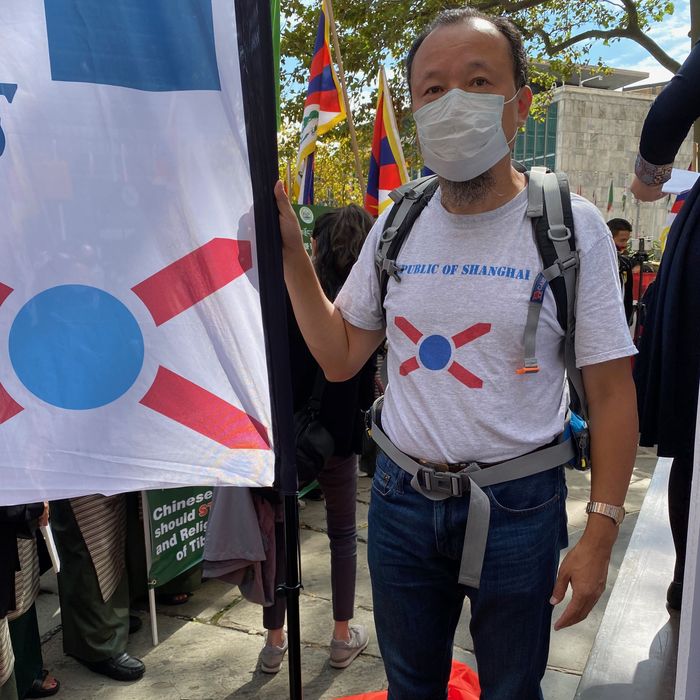
 Shanghai National上海民族黨